
PG County artist and director Mia Simone blends poetic rap, alternative R&B, and visual storytelling into a world built on emotion, honesty, and self-expression.
Artist Spotlight: MI
Hometown: PG COUNTY, MD
Sound: Soft, Melodic, and experimental
Latest Release: Day Dream
Socials: @Simply_Phenomonal
“It’s those 3 AM thoughts you can’t let go of.”
Mia Simone does not make music that feels like background noise. Her sound lives in the hour when the room is quiet, the phone is face down, and the thoughts you avoided all day finally start talking back.
When asked how she would describe her sound to somebody hearing her for the first time, Mia did not give a basic genre answer. She gave a feeling.
“It’s those 3 AM thoughts you can’t let go of. My sound blends poetic, introspective rap with alternative R&B.”
That description sits at the center of her artistry. Mia Simone is not just rapping to prove she can rap. She is building emotional scenes. Her records move like conversations with yourself after something hurt you, changed you, or forced you to finally choose yourself.
Coming out of PG County, Mia represents a different kind of DMV voice — one rooted in vulnerability, vision, and intentionality. She is not trying to be the loudest in the room. She is trying to make the room feel something.
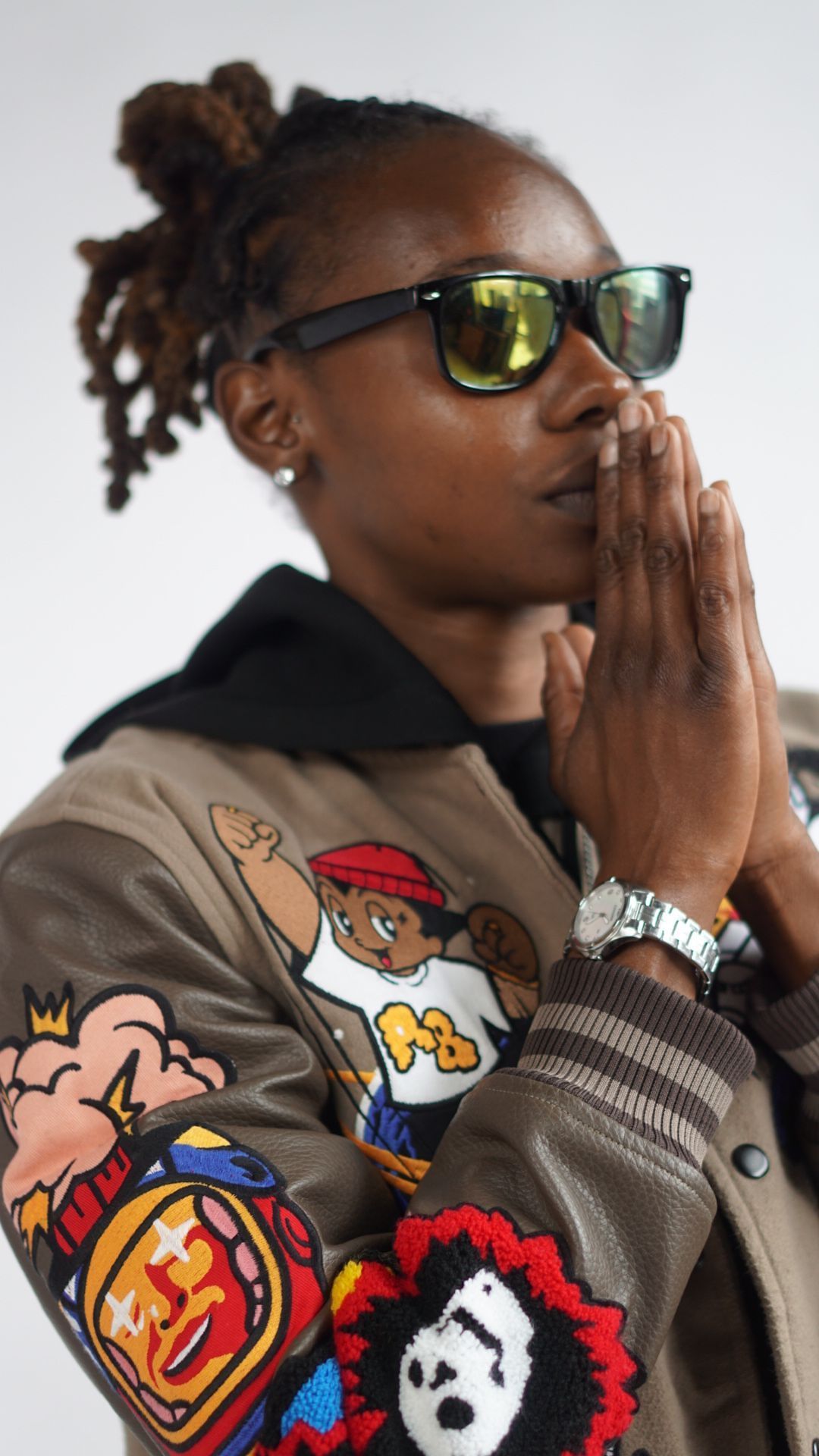
“‘(Not) Sorry’ is a response to betrayal. It’s me talking to the person who hurt me and choosing not to shrink, not to soften, and not to apologize.”
The Power of Not Apologizing
Mia’s latest release, “(Not) Sorry,” is not just a song title. It is a boundary.
The record was inspired by betrayal, but the message is bigger than heartbreak. It is about what happens after someone hurts you and still expects you to soften the truth. It is about the moment you stop explaining, stop shrinking, and stop apologizing for finally choosing yourself.
“‘(Not) Sorry’ is a response to betrayal. It’s me talking to the person who hurt me and choosing not to shrink, not to soften, and not to apologize.”
That kind of clarity gives the song its strength. Mia is not performing pain for attention. She is translating it into something other people can use. For anyone who has been lied to, gaslit, or made to question what they already knew was real, the song becomes more than a record. It becomes permission.
Permission to stand up straight.
Permission to say what happened.
Permission to not be sorry for surviving it.
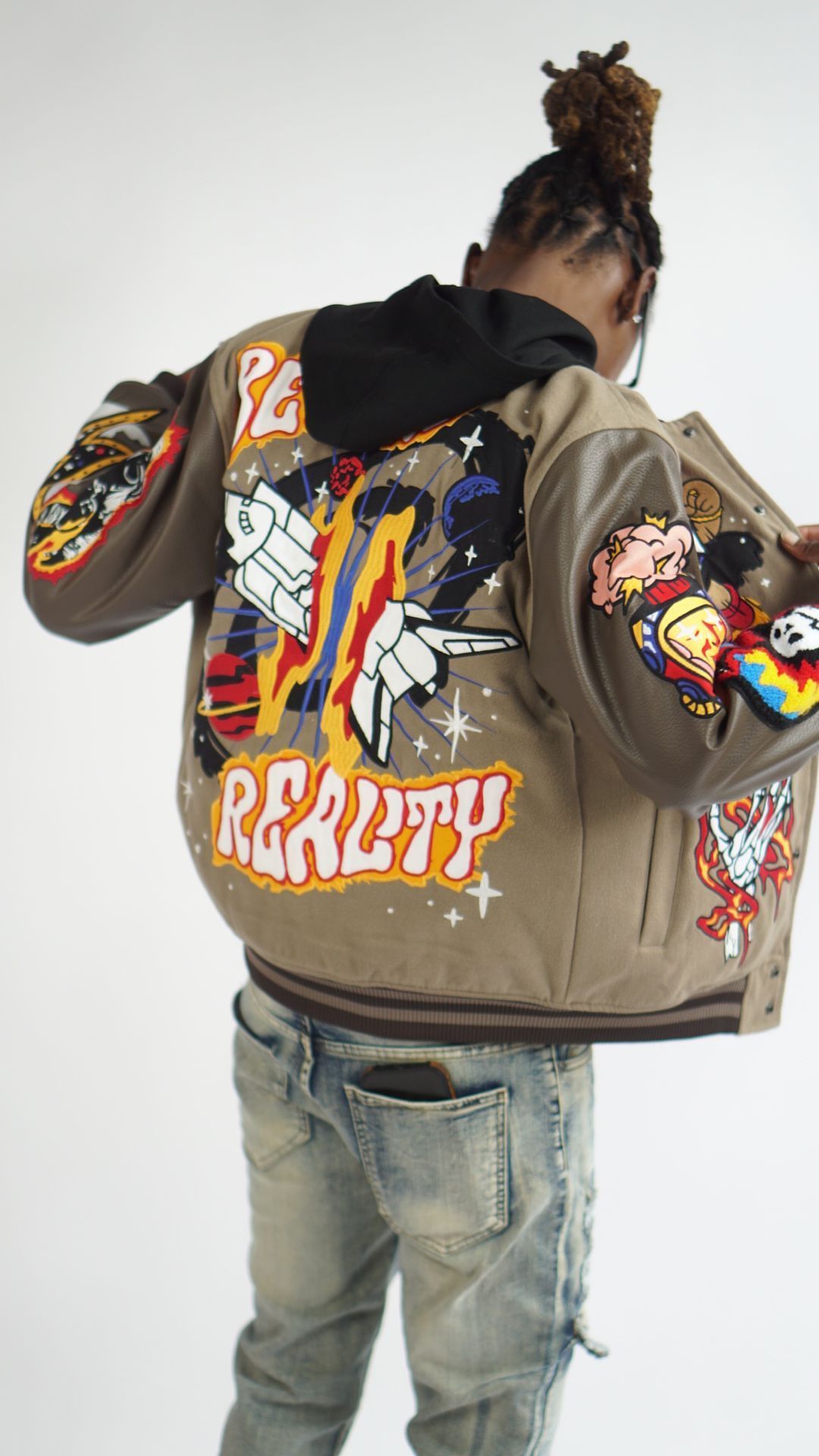
“I’m choosing not to shrink, not to soften, and not to apologize.”
Sound First, Vision Always
Mia Simone’s artistry does not stop at the music. She thinks in scenes. That is what makes her different.
Her creative process begins with emotion. If a feeling stays with her long enough, she takes it as a sign that it needs to become something. She sits with the emotion, searches through beats, lets the thoughts pour out, and then shapes them into a song.
But once the music is there, the world is not finished yet.
“Once the music is there, I translate it visually. I’m always thinking in scenes, so the visuals are just as important to me as the sound.”
That director’s eye gives her music another layer. Mia is not only asking what a song sounds like. She is asking what it looks like. What color does the feeling have? What scene does it belong in? What image makes the emotion land harder?
That is why her artistry lives at the intersection of sound and vision. Every record feels like something you can hear and see at the same time.

“I’m always thinking in scenes.”