Building a Cinematic Hip-Hop Domain From Glenarden to Somewhere Beyond Reality
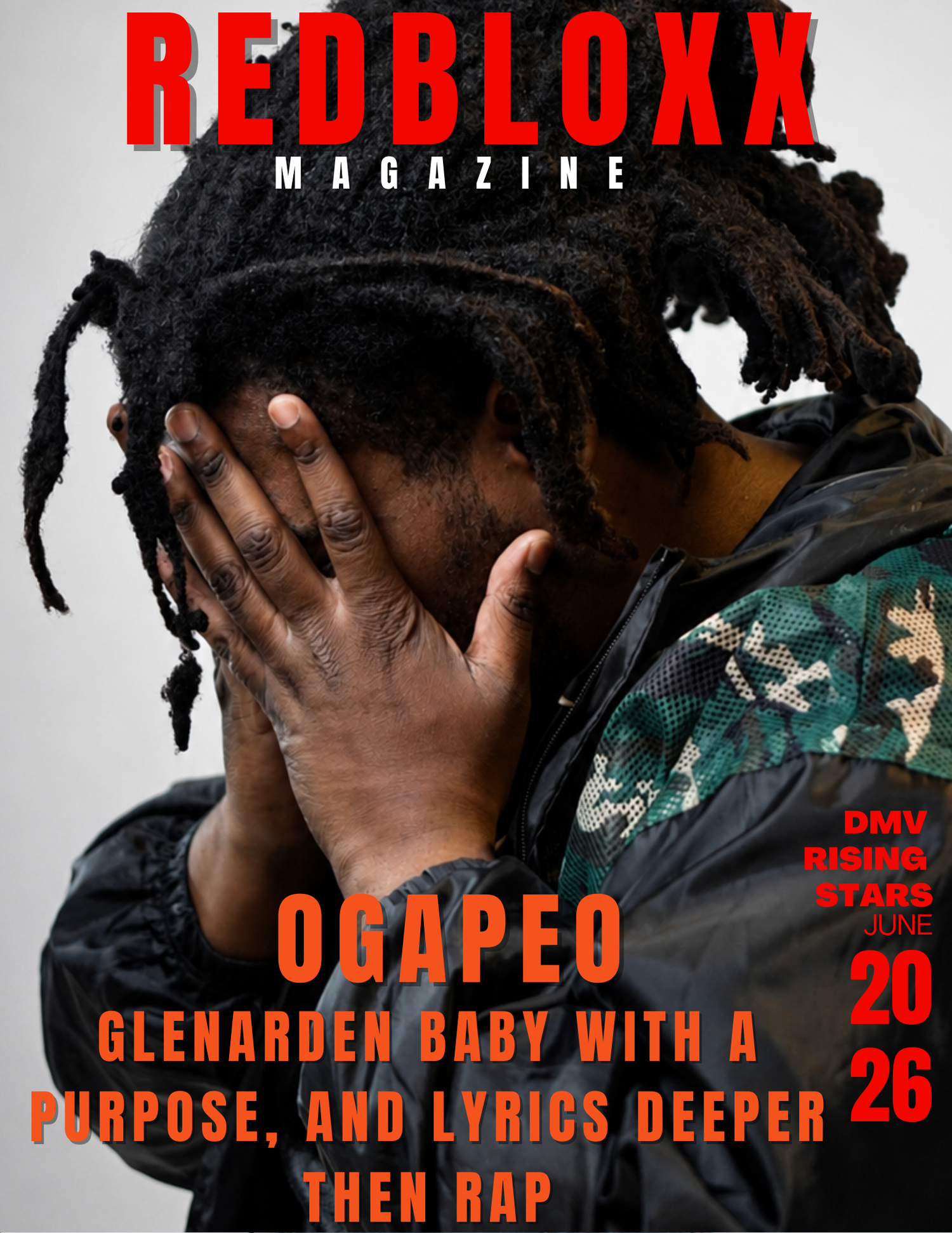
Artist Spotlight: OG APEO
Hometown: Glenarden
Sound: Survival Sounds of the spiritually inclined
Latest Release: "Top of the Morning"
Socials: @OGAPEO (Instagram & TikTok)
Glenarden artist ApeO makes cinematic, animated, vividly colorful music that treats hip-hop like a world, not just a genre.
With Jhi Like…, ApeO documents the emotional collision of Black life in the DMV — joy, grief, anxiety, survival, humor, and hope all happening at once.
ApeO does not describe his sound like an artist trying to fit into a playlist. He describes it like someone building a universe.
When asked how he would explain his music to somebody hearing him for the first time, ApeO called it:
“Cinematic, animated, and vividly colorful.”
That is more than a description. It is a creative philosophy. ApeO approaches music as movement, adrenaline, and transformation. His songs are not static. They change. They evolve. They recalibrate. Each record is built to have its own life and energy.
Even when the songs live inside the same project, they do not all move the same. ApeO describes them like siblings — connected at the core, sharing DNA through sound and subject matter, but each carrying its own identity.
That contrast is intentional. That is how he keeps the music alive.
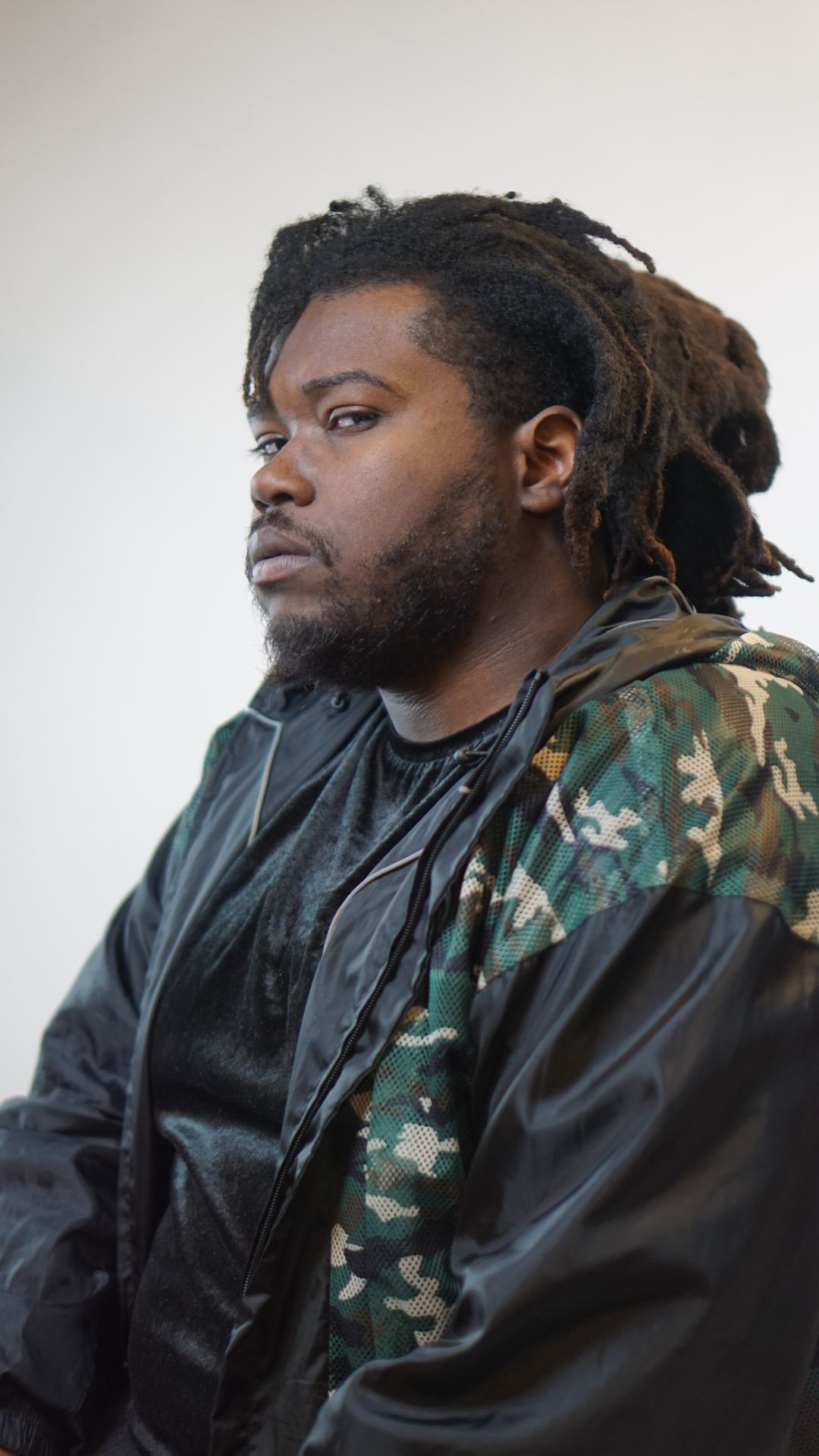
ApeO’s Jhi Like… captures the duality of life around Glenarden and Landover — laughter, grief, love, danger, memory, and survival all in the same frame.
The project is not just about place. It is about how Black men process tragedy while still trying to live.
Jhi Like… is rooted in the perspective of a young man growing up in the DMV. For ApeO, being from Glenarden and being so close to Landover meant witnessing the layered realities of Black community life up close.
There is depression. Anger. Anxiety. Love. Happiness. Survivor’s guilt. Unspoken thoughts. Quiet prayers. Loud jokes. Basketball courts. Steak-and-cheese egg rolls. Family illness. Apartment complexes. Memories being made while tragedy happens nearby.
That emotional collision is the heart of the project.
ApeO understands that joy and grief often exist at the same time. One moment you are laughing with people you love. At that same moment, someone close by may be losing their life. Your grandmother might be fighting illness. You might be carrying fear and gratitude in the same breath.
Jhi Like… is his attempt to document that honestly.
A Student of Hip-Hop and Emotion
ApeO’s influences are wide, deep, and layered. His ear moves far beyond one era or one style. But two artists stand out in the way he talks about hip-hop’s emotional power: Tupac Shakur and The Notorious B.I.G.
Pac showed him that communication matters more than technicality. It is not always about being lyrical just to be lyrical. It is about being honest enough for people to feel what you mean.
During ApeO’s adolescence, Pac’s music became guidance and hope while he was struggling deeply.
Biggie’s Ready to Die hit him in another way. The storytelling, skits, vivid scenes, and raw lyricism showed him how immersive rap could become when the artist fully lives inside the narrative.
That foundation helps explain ApeO’s own style. He is not just trying to rap well. He is trying to communicate worlds, emotions, and contradictions. He wants the listener to feel the scene, not just hear the bar.
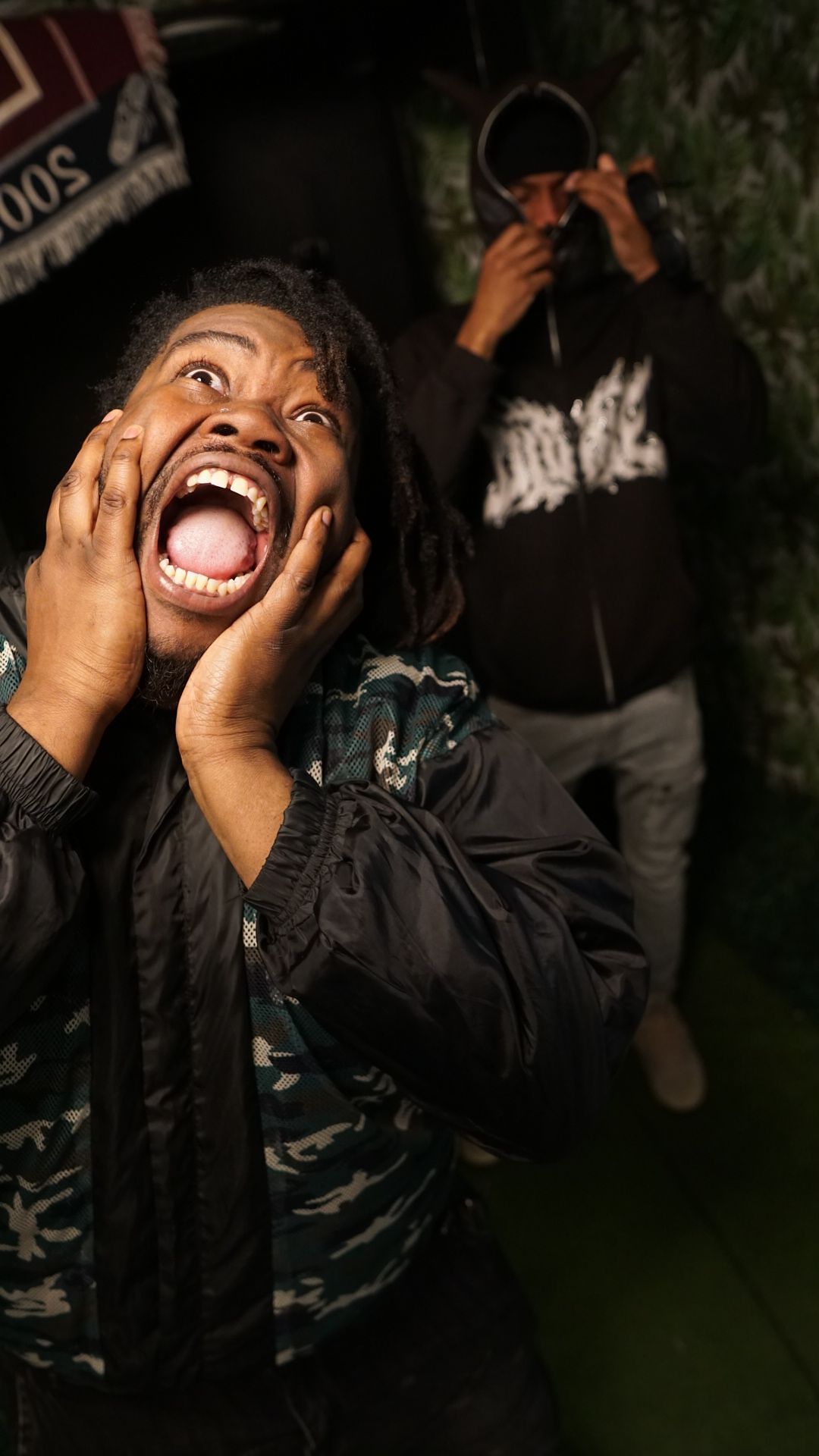
ApeO’s process begins with listening. He lets the beat speak before deciding what needs to be said.
For ApeO, creation is not about forcing a message. It is about allowing the soul to respond.
ApeO’s creative process starts with surrender.
He listens to the beat and allows his soul to tell him what should be spoken. He does not rush to force the message before truly hearing the sound.
“Music is vibration.”
That sentence explains everything. ApeO treats sound like something spiritual, emotional, and physical. The beat is not just production. It is a signal. His job is to listen closely enough to translate it.
That approach gives his music its color. He is not creating from a formula. He is creating from response. From feeling. From movement. From the invisible connection between sound and memory.
Searching for Sanity
ApeO says he got his start in music by searching for sanity. That line is heavy because it frames music as more than entertainment. For him, music became a way to process life, emotion, and survival.
He had always been around music, but it did not fully click until he was 12 and began truly digesting what was being said. Interestingly, he went backward before moving forward — studying the 90s before focusing on the 2000s.
That path helped shape him into what he calls a conscious artist.
He came into hip-hop through listening, understanding, and seeking meaning. That is why his music feels thoughtful without losing energy. It comes from someone who wanted to know why the words mattered, not just how they sounded.
The business side of music can drain the color from art — but ApeO is learning how to protect the sacred part.
As a local artist, ApeO has been learning how to slow down and truly connect — with people, with moments, and with the act of creating itself.
For a long time, he was so deep in creation and expectation that he forgot to enjoy it. That is a real challenge for artists. The business side of music can turn something sacred into something mechanical if you let it.
But when ApeO reconnects with the process, the magic returns.
He describes the hue of creation as something healing — every brushstroke, every sound, every decision rejuvenating the inner child in him and reminding him why he started.
That language matters because ApeO does not see himself as just another rapper trying to drop records. He sees himself as a vessel. A muse of creation. Someone here to channel emotion and let it live honestly through the art.
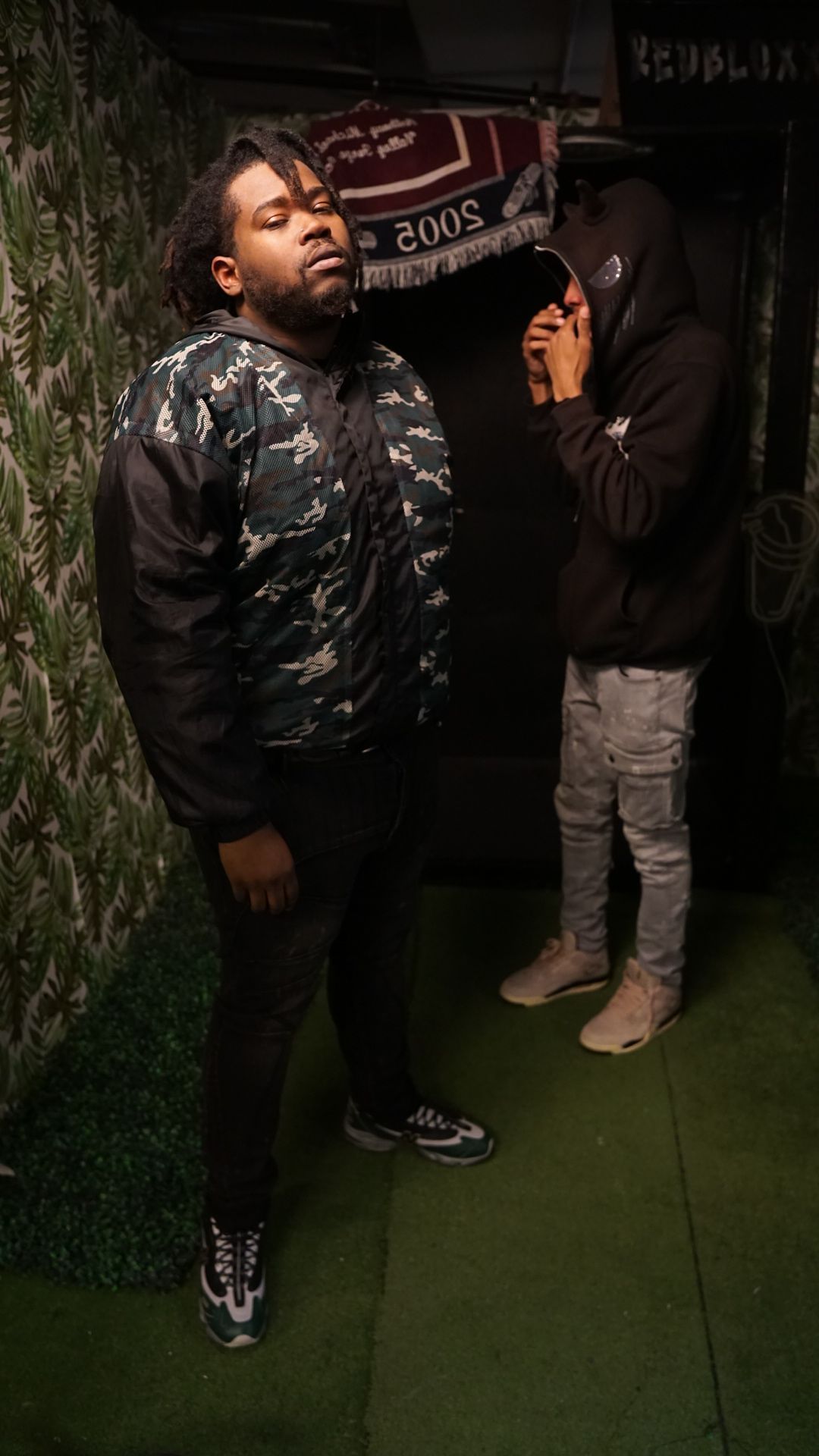
“Hi, my name is ApeO, and welcome to my domain!”